Build a Cozy Mini Kitchen Dollhouse Kit for Display
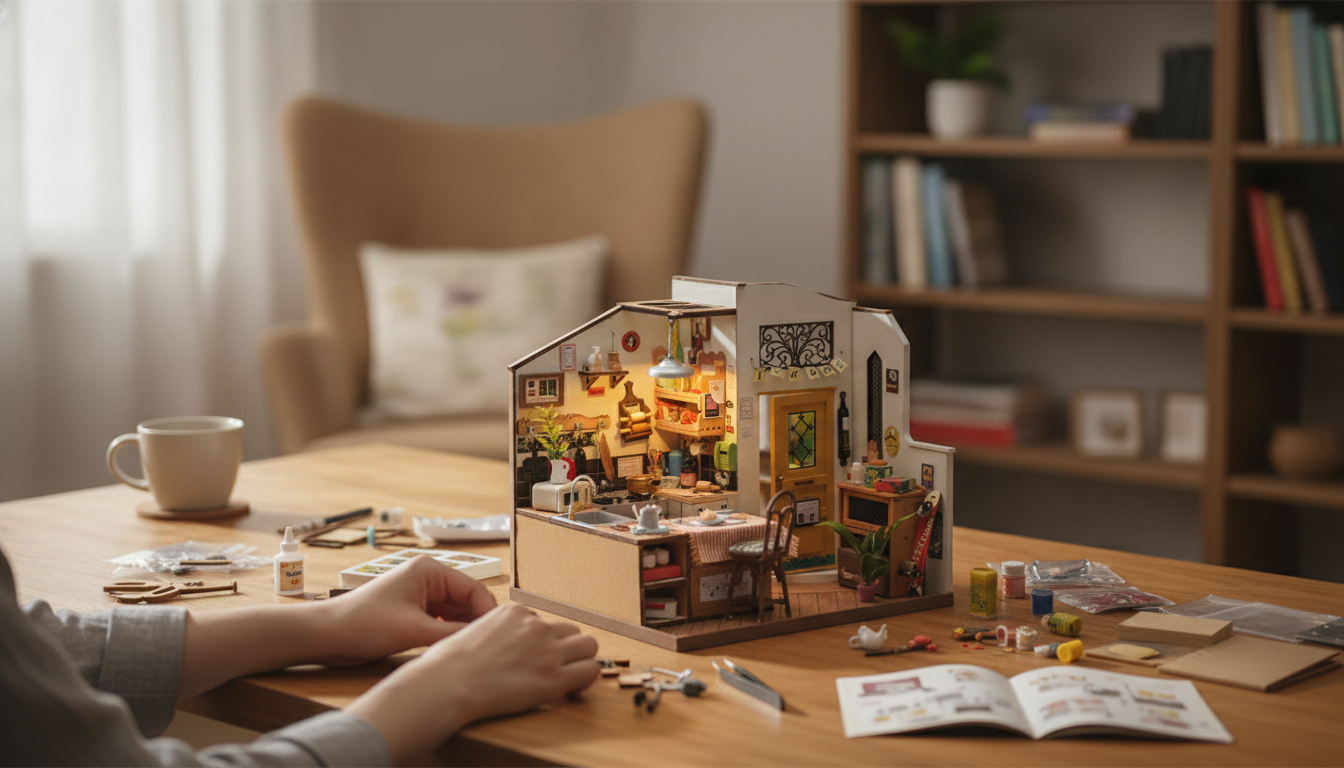
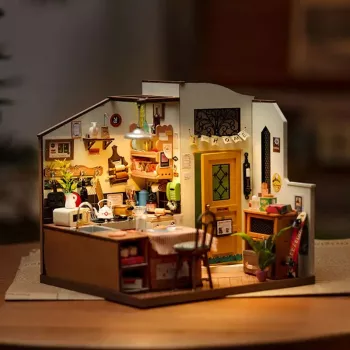
Miniature Homey Kitchen Dollhouse Kit: A Cozy Build for Craft Nights and Display Shelves
A warm, lived-in kitchen scene in miniature form makes a satisfying weekend project and a charming display piece. This kit centers on a “homey kitchen” look—small furnishings, kitchen details, and layered textures—designed for hands-on assembly, relaxing focus, and gifting to anyone who loves tiny worlds.
What Makes a “Homey Kitchen” Miniature Feel Real
The most memorable mini rooms don’t look staged—they look lived in. A homey kitchen scene typically feels convincing because it’s built around everyday storytelling and visual warmth.
- Cozy storytelling details: countertop clutter, cookware, and pantry-like elements that make the space look used and loved.
- Visual warmth: natural wood tones, soft color accents, and tiny décor that reads as “kitchen comfort” from a distance.
- Depth and dimension: layered parts (shelves, cabinets, backsplash-like surfaces) that avoid a flat, paper-only look.
- Display-friendly composition: a scene that looks complete even without additional accessories.
- A mindful build pace: enough steps to stay engaging without feeling endless.
Miniature Homey Kitchen Dollhouse Kit at a Glance
If you want a miniature room that’s equal parts craft project and finished décor, this style of kit lands in a sweet spot: detailed enough to be satisfying, but structured enough to feel approachable across a few build sessions.
- Project type: hands-on miniature room scene with kitchen theme
- Best for: craft nights, collectors, teen/adult hobbyists, and gift-giving
- Display ideas: bookshelf vignette, desk décor, curio cabinet, or a craft-room shelf
- Gift occasions: birthdays, holidays, housewarming, or a “new hobby” starter present
| Detail | What to expect |
|---|---|
| Theme | Cozy, lived-in kitchen scene in miniature scale |
| Skill level | Beginner-friendly with patience; easier with basic crafting tools |
| Build time | Varies by pace; plan multiple sessions for best results |
| Best display placement | Eye-level shelf with good lighting to show small details |
| Ideal add-ons | Craft glue, precision tweezers, small scissors, and a cutting mat |
For a ready-to-build option that fits this cozy style, see the Miniature Homey Kitchen Dollhouse Kit (currently listed at $32.51, in stock).
What’s Typically Inside This Kind of Kit
Most miniature kitchen room kits rely on a mix of structural pieces and many small details—those tiny finishing elements are what make the scene feel “real” on a shelf.
- Pre-cut structural pieces: components for walls/floors and furniture shapes (varies by kit design).
- Tiny decorative elements: the accents that create the kitchen’s “lived-in” feel.
- Printed or patterned parts: surface details (like cabinet faces or decorative accents) depending on the kit style.
- Assembly guidance: a step sequence for building, layering, and placing mini accessories.
- Small parts count: organizing trays help keep pieces from disappearing mid-build.
Because miniature kits commonly include small components, it’s smart to keep basic safety guidance in mind for households with younger children. The U.S. Consumer Product Safety Commission outlines small parts considerations here: CPSC — Small Parts Regulations.
Tools and Setup for a Smooth Build Session
A comfortable setup does more than speed things up—it keeps the build relaxing. Aim for bright light, a stable surface, and a system for keeping tiny items under control.
- Workspace: bright lighting plus a tray (or shallow box lid) to contain small pieces.
- Adhesive basics: a fast-grab craft glue for small parts and a slower-drying glue when you need alignment time.
- Precision helpers: tweezers for tiny accessories, a ruler for straight placement, and a scoring tool for clean folds if any paper components are included.
- Cutting and shaping: small scissors and a hobby knife (used carefully) for trimming or fitting.
- Finish and cleanup: cotton swabs for removing excess glue, and a soft brush to dust the finished scene.
If your crafting area doubles as a living space, a quick cleanup tool can help keep stray clippings and dust under control after a session. The 28Kpa Cordless Vacuum Cleaner is an optional add-on for tidying the workspace once the glue is capped and parts are stored.
Step-by-Step Build Flow (Without the Overwhelm)
Miniatures feel easier when you build in “layers,” the same way a real room comes together. The goal is to create a stable foundation first, then add detail when placement is obvious.
Styling Tips to Make the Finished Kitchen Look Extra Cozy
It’s no accident that miniatures feel so satisfying to look at—people often respond to the craftsmanship, nostalgia, and the “world-in-a-box” effect. For broader context on why tiny scenes capture attention, see Smithsonian Magazine.
Who This Kit Suits Best
Care, Storage, and Long-Term Display
Miniature Homey Kitchen Dollhouse Kit: Price and Availability
Check the product page here: Miniature Homey Kitchen Dollhouse Kit.
FAQ
Is this miniature kitchen kit suitable for beginners?
Yes. It’s beginner-friendly with patience and a steady build pace—start with the larger structural pieces, dry-fit often, and save the tiniest accessories for the final stage.
What tools are helpful to assemble a miniature kitchen scene?
Tweezers, small scissors, a carefully used hobby knife, a ruler, a cutting mat, and craft glue make the process smoother. Good lighting and a parts tray also help prevent losing small components.
How can the finished miniature be protected from dust?
A clear display case or enclosed shelf is ideal. For cleaning, use a soft brush and avoid moisture; keeping the piece out of direct sunlight also helps reduce fading over time.







Leave a comment