10-Piece Metal Garden Fence: Crisp Borders & Curb Appeal
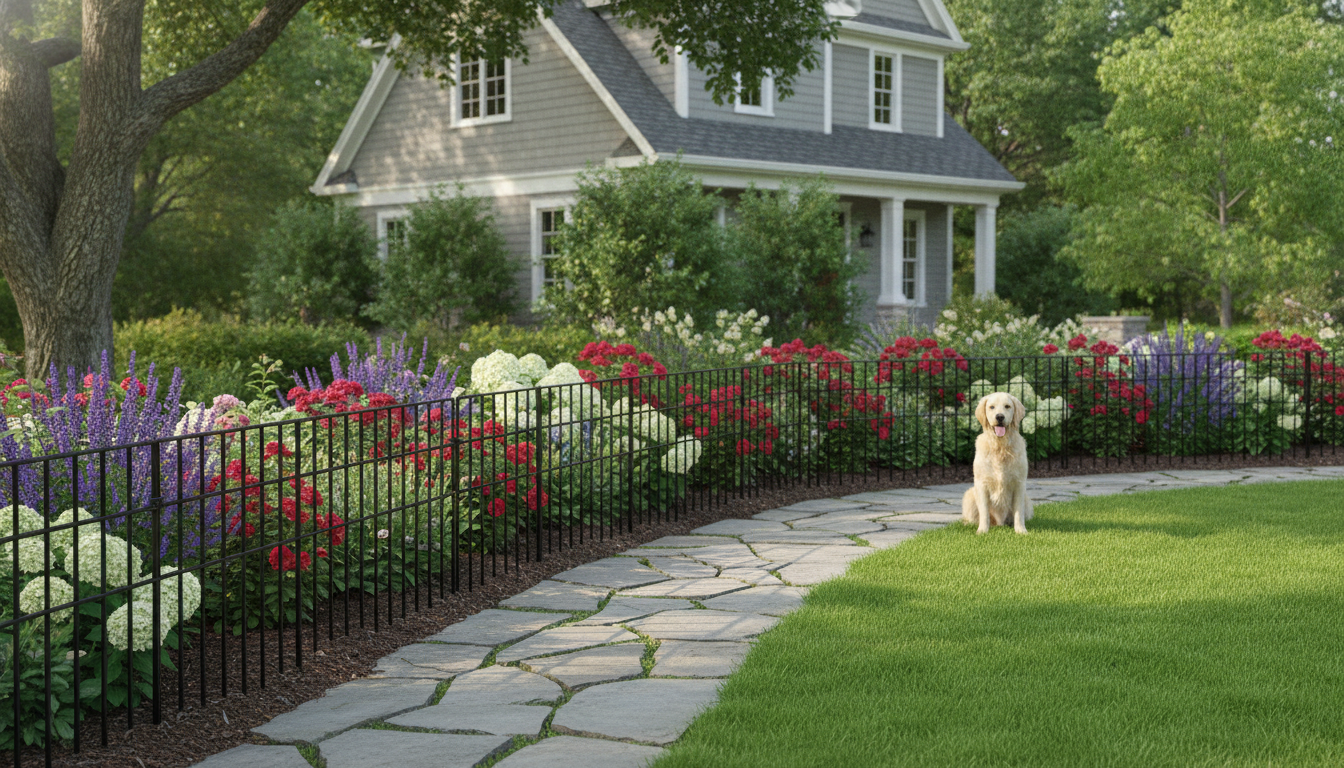
10pcs Decorative Metal Garden Fence for Clean Borders and Added Curb Appeal
A decorative metal garden fence can define flower beds, guide foot traffic, and help keep small pets out of planting areas—without the heaviness of a permanent barrier. This guide covers where these panels work best, what to look for before buying, and practical installation tips for a neat, long-lasting border.
What This Style of Garden Fence Is Best For
- Defining edges around flower beds, shrubs, and foundation plantings for a tidier look.
- Creating simple pathways or visual “rooms” in a yard by outlining sections.
- Discouraging casual foot traffic and helping guide kids and guests away from delicate plants.
- Adding decorative structure in seasons when plants are dormant and beds look sparse.
- Using multiple sets to enclose larger areas or to create repeated accents along a long border.
Quick Specs Snapshot
- A 10-piece set is suited for small-to-medium border runs and can be expanded by combining multiple sets.
- Metal panels are typically chosen for a more rigid look than plastic edging and for seasonal durability when properly cared for.
- Best results come from planning the layout first: measure the run, confirm corners/curves, and decide where a gate opening (if any) would be needed.
Fence Set Overview
| Item | What it means for the yard |
|---|---|
| 10 panels (set) | Creates a consistent, repeating border; can be extended with additional sets for longer runs. |
| Metal construction | Provides a crisp outline and helps panels stay upright; longevity improves with rust-resistant finishing and good drainage. |
| Decorative design | Adds visual interest along bed edges; pairs well with both formal and cottage-style gardens. |
| Modular layout | Works for straight runs, gentle curves, or segmented borders depending on panel connections and spacing. |
Where to Use It: Layout Ideas That Look Intentional
- Front-yard foundation bed: run panels parallel to the house to create a clean visual line and reduce accidental stepping into mulch.
- Tree rings and island beds: form a loose circle/oval around a focal tree or a mixed perennial island to keep mulch contained.
- Vegetable garden border: outline a small raised or in-ground plot to separate it from lawn areas and create an organized look.
- Driveway or walkway edge: install a short run at the transition point where grass meets pavers to emphasize the path.
- Mailbox or entry accent: use a small segment as an ornamental frame around a post or entry planting.
For the cleanest curb appeal, treat the fence like a repeating “trim” detail: align it with existing lines (house corners, walkway edges, or planting bed curves) so it looks planned rather than added later.
How to Measure and Plan Before Installing
- Measure the total length of the border run; add extra allowance for curves, corners, or staggered spacing around stones and roots.
- Mark the path using garden hose, string, or marking paint; step back from the curb to confirm the visual line from the street.
- Identify soil conditions: hard clay, rocky soil, or heavy roots may require pre-loosening with a spade or a narrow trench.
- Plan for drainage: avoid placing panels where runoff routinely pools, which can speed up corrosion and heaving from freeze-thaw cycles.
- Decide how ends will terminate: end at a walkway, tuck into a shrub mass, or mirror both sides for symmetry.
If your bed edge sits on compacted ground (common near walkways and driveways), it helps to address compaction first. Penn State Extension’s overview on soil compaction in landscapes explains why dense soil resists water and roots—conditions that also make it harder to insert stakes cleanly.
Installation Tips for a Straight, Stable Border
Soil structure also affects how well the fence “locks” in place over time. If you’re improving beds as part of a larger refresh, the University of Minnesota Extension has practical guidance on garden soil management, including steps that support better drainage and easier maintenance around borders.
Care and Seasonal Maintenance
A quick cleanup after edging or mulching makes the border look sharper. A lightweight stick vacuum can be handy for porches, steps, and entry mats near garden beds—see the 28Kpa Cordless Vacuum Cleaner, 3 Modes Handheld Stick Vacuum for Pet Hair, Carpet & Hard Floor for fast touch-ups in high-traffic areas.
Common Mistakes to Avoid
Featured Option: 10pcs Decorative Metal Garden Fence
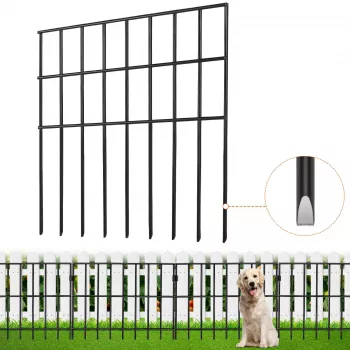
For an easy, visible upgrade to bed edges, the 10pcs Decorative Metal Garden Fence offers a repeating decorative look that helps borders appear crisp and intentional. Use one set to frame a compact foundation bed or island planting, or combine multiple sets for longer runs along a walkway or driveway edge.
FAQ
Will a decorative metal garden fence keep dogs out of flower beds?
It can deter casual entry and help guide pets away from delicate plants, but it’s not a secure containment fence for determined jumpers or diggers. For persistent behavior, pair the border with training or choose a taller, more robust barrier in problem areas.
How do panels stay stable in loose or sandy soil?
Stability improves when the edge is leveled, panels are inserted straight, and soil is backfilled and tamped firmly around stakes. In very loose soil, placing the panels slightly deeper and compacting the base can reduce wobble over time.
Can the fence be installed in a curve?
Yes—make small angle changes between panels to create a smooth arc, and lay out the curve first with a hose or string so the line reads evenly. Avoid forcing any one panel to bend, since that can distort the pattern and cause uneven heights.









Leave a comment